Full Home Remodel vs. Partial Renovation: Which Makes More Sense
Deciding whether to undertake a full home remodel or opt for a partial renovation is one of the most significant choices a homeowner can make. Both options involve investment, planning, and a clear understanding of your goals for your living space. A full remodel typically involves comprehensive changes throughout the entire property, while a partial renovation focuses on updating specific areas such as the kitchen, bathroom, or living room. Understanding the nuances between these approaches is crucial for achieving the desired functionality, aesthetic, and long-term value of your home. Additionally, homeowners must consider factors such as current property condition, lifestyle needs, and long-term plans to ensure their investment aligns with both personal satisfaction and market expectations. Making the right choice can transform not only the home’s appearance but also its overall efficiency, comfort, and usability.
The relevance of this decision extends beyond personal preference. Homeowners face challenges such as aging infrastructure, evolving family needs, and fluctuating market values. By evaluating the advantages and limitations of full and partial remodels, homeowners can make informed choices that balance cost, time, and impact. This guide will explore key considerations, practical scenarios, and expert insights to help you determine whether a full-scale renovation or a targeted update aligns with your goals, ensuring that your investment yields both comfort and lasting value. Moreover, understanding the long-term implications of each approach can prevent costly mistakes, minimize disruption, and ultimately result in a home that reflects your vision and meets evolving needs. In today’s competitive real estate and home improvement landscape, such foresight is essential for both functional and financial success.
Understanding the Scope of Each Option
What Constitutes a Full Home Remodel
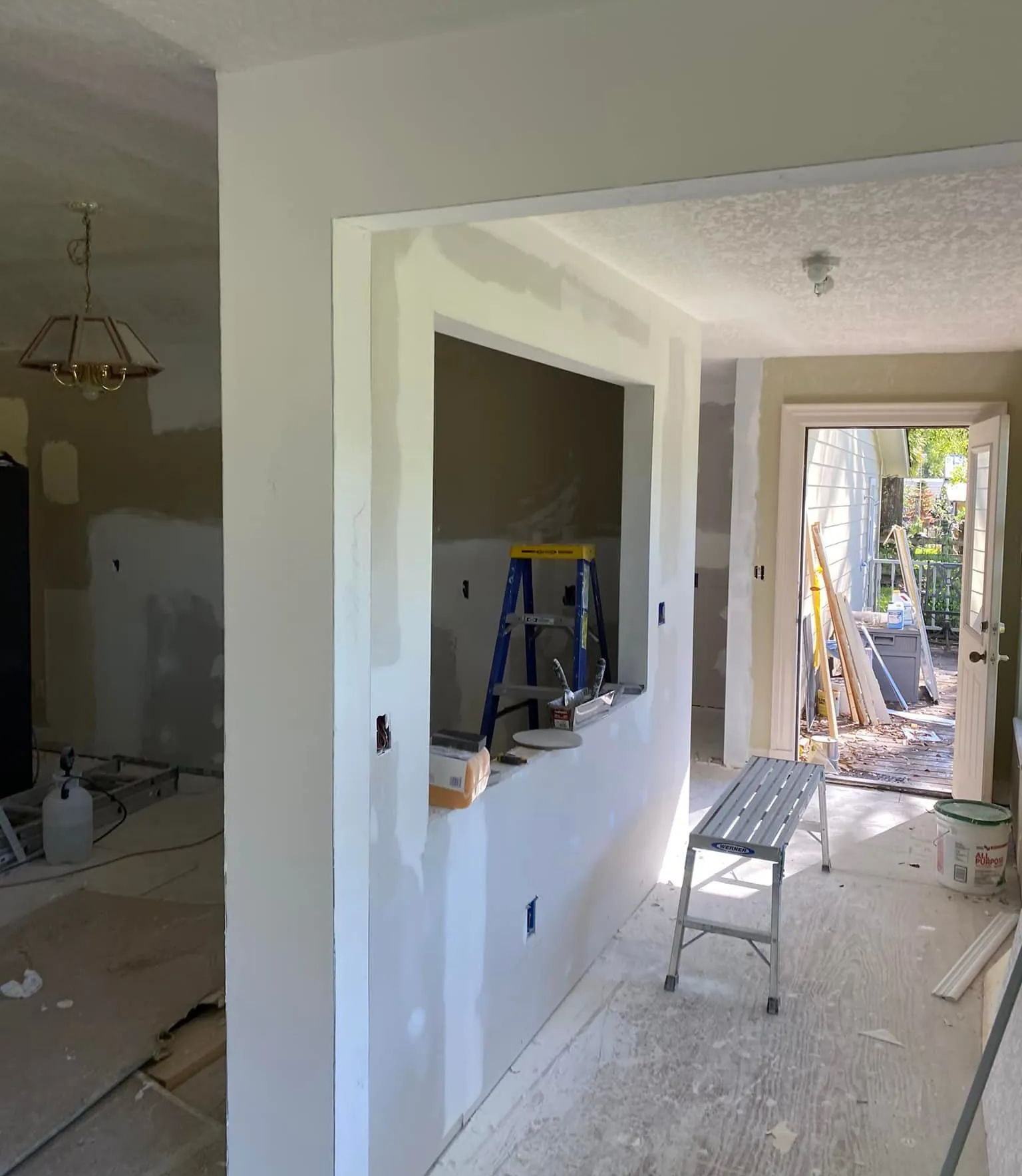
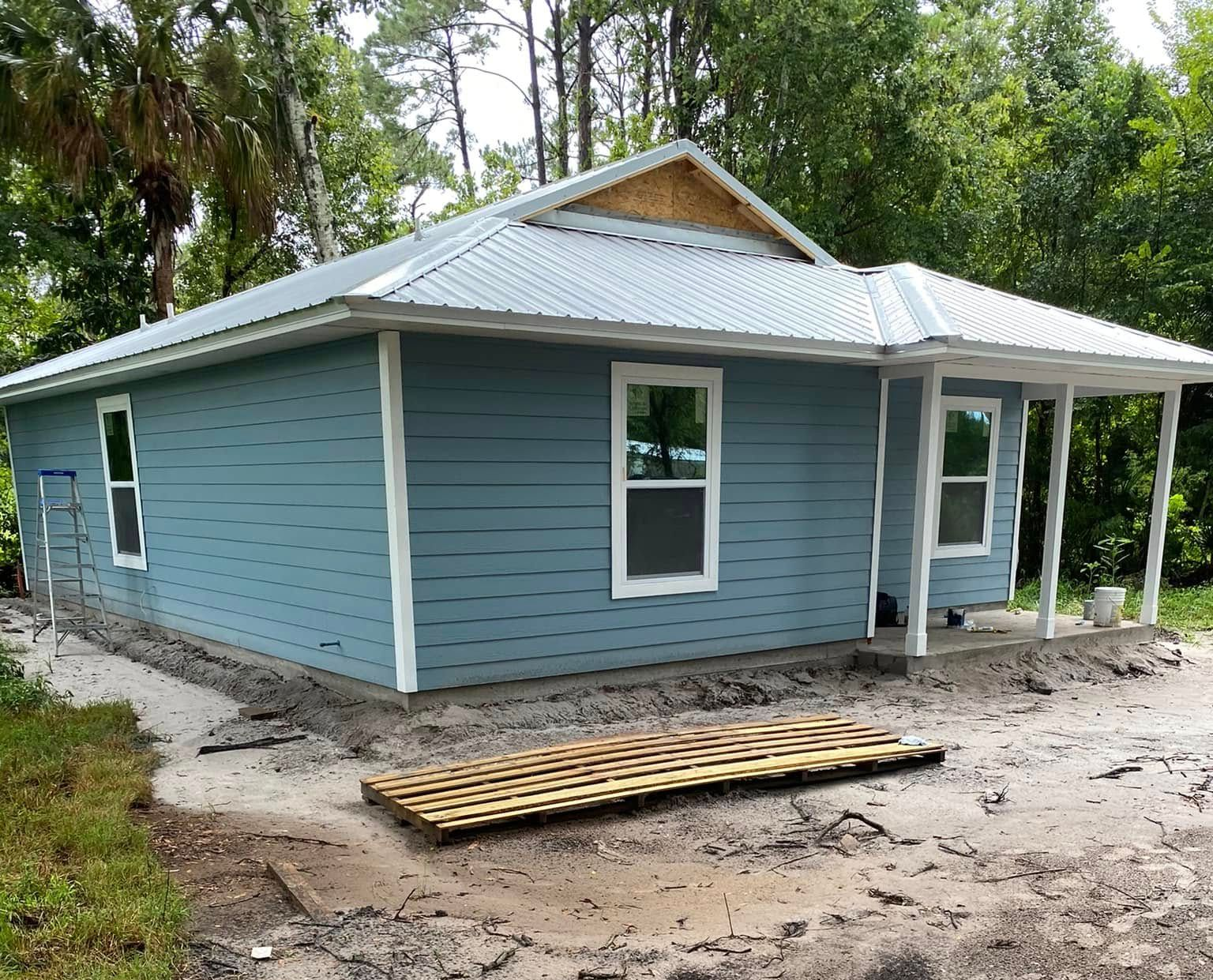
A full home remodel entails a complete overhaul of the property, often addressing structural, mechanical, and aesthetic components simultaneously. This process may include replacing outdated electrical and plumbing systems, redesigning layouts, updating flooring, cabinetry, and fixtures, and sometimes even extending the home’s footprint. The scope is comprehensive, aimed at modernizing the entire property and correcting long-standing issues that could affect safety or efficiency. Full remodels are often chosen when the home has multiple outdated areas, foundational issues, or when homeowners desire a cohesive, contemporary design throughout.
What Defines a Partial Renovation
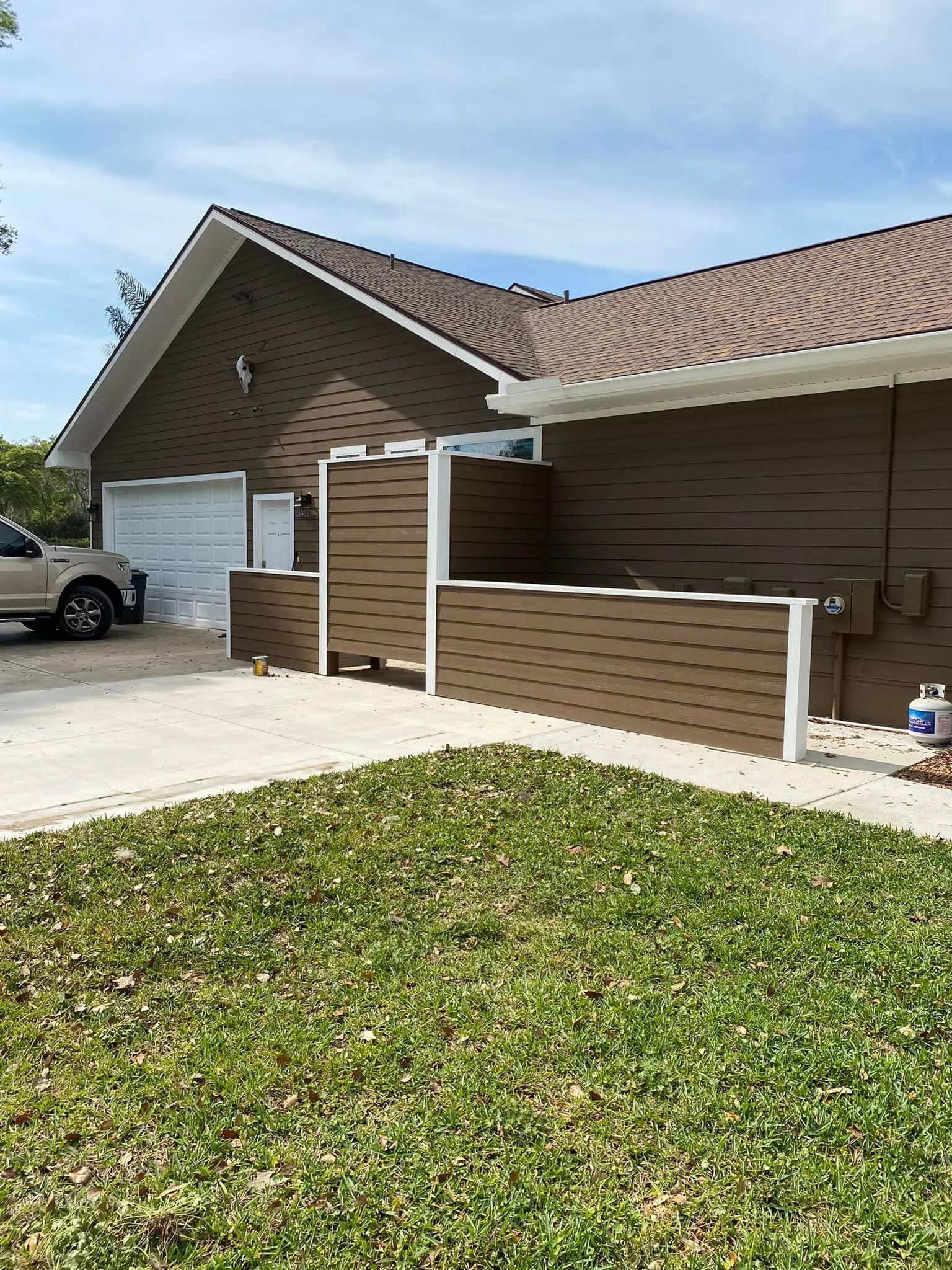
Partial renovations, on the other hand, focus on improving specific sections of a home rather than the entire property. Examples include kitchen or bathroom upgrades, basement finishing, or enhancing curb appeal through exterior updates. The goal is to address pressing issues or modernize key spaces without committing to a full-scale project. Partial renovations are generally less disruptive, require lower budgets, and offer a faster turnaround, making them ideal for homeowners who want targeted improvements or are preparing a property for resale without extensive investment.
Cost Considerations
Financial Implications of a Full Remodel
Full home remodels are undeniably more expensive due to their comprehensive nature. Costs can quickly escalate depending on the size of the home, quality of materials, and the complexity of structural changes. While the initial investment is significant, full remodels often provide long-term value by improving energy efficiency, increasing resale potential, and preventing the need for multiple small renovations in the future. Homeowners should also factor in temporary living arrangements if the project renders the property uninhabitable for a period of time.
Budgeting for Partial Renovations
Partial renovations offer a more flexible financial approach. Since the focus is limited to specific areas, homeowners can control expenditures by prioritizing high-impact updates. For instance, remodeling a kitchen or bathroom can significantly elevate comfort and appeal without the comprehensive costs associated with a full remodel. Additionally, partial renovations can be executed incrementally, allowing homeowners to spread expenses over time. However, while this approach is cost-effective in the short term, it may not address underlying issues in other parts of the home, potentially leading to additional expenses later.
Time and Project Duration
Full Remodel Timelines
Full home remodels are time-intensive due to the extensive scope of work involved. Projects can range from several months to over a year, depending on the complexity of the design, permitting requirements, and unforeseen structural challenges. Extended timelines require careful planning, including temporary relocation strategies and coordination with multiple contractors. While lengthy, a full remodel offers the advantage of delivering a completely modernized, cohesive home environment, often reducing the need for future updates.
Speed of Partial Renovations
Partial renovations are generally quicker, often completed within a few weeks to a few months. The reduced scale allows contractors to focus efforts efficiently, minimizing disruption to daily life. For homeowners with immediate needs or limited tolerance for extended projects, partial updates are a practical solution. Rapid transformations in high-traffic areas such as kitchens, bathrooms, or entryways can dramatically enhance comfort and aesthetics without the extended commitment required for a full remodel.
Impact on Property Value
Full Remodels and Long-Term Appreciation
One of the strongest arguments for a full home remodel is its potential impact on property value. Comprehensive updates improve not only aesthetics but also functionality, energy efficiency, and structural integrity, all of which are key factors in real estate appraisal. A modernized home with cohesive design elements and upgraded systems appeals to buyers and can command a higher resale price. Moreover, addressing foundational or structural issues during a full remodel prevents future depreciation, making it a strategic investment for long-term financial gain.
Partial Renovations and Targeted Value Increases
Partial renovations can also boost property value, especially when upgrades focus on high-impact areas like kitchens, bathrooms, or curb appeal. Targeted improvements attract prospective buyers and enhance the overall perception of the home without requiring a full financial commitment. However, the return on investment may be limited compared to a full remodel, particularly if other areas of the home remain outdated. Homeowners should carefully evaluate which updates will maximize both comfort and market value.
Lifestyle and Daily Disruption
Living Through a Full Remodel
Full remodels can significantly disrupt daily life. Homeowners often face noise, dust, and restricted access to living spaces. Temporary relocation may be necessary, which can add logistical and financial challenges. Planning for these disruptions is essential to ensure the remodeling process proceeds smoothly. Despite the inconvenience, many homeowners consider the temporary discomfort worthwhile for the long-term benefits of a fully renovated home tailored to their specific lifestyle needs and preferences.
Minimizing Disruption with Partial Renovations
Partial renovations offer a less intrusive alternative. By isolating construction to specific areas, homeowners can continue daily routines with minimal interruption. For instance, remodeling a single bathroom or updating the kitchen often allows other areas of the home to remain fully functional. This approach is particularly suitable for families with children, busy professionals, or anyone seeking improvements without the upheaval associated with a full remodel. Efficient planning and clear communication with contractors further reduce disruption and ensure a smoother project experience.
Decision-Making Factors
Assessing Structural and Mechanical Needs
A critical factor in choosing between a full remodel and a partial renovation is the condition of the home’s structure and systems. Homes with outdated wiring, plumbing issues, or foundational concerns may benefit more from a comprehensive remodel. Addressing these elements during a full project prevents recurring problems and ensures long-term safety and efficiency. Conversely, if a home’s structural integrity and major systems are sound, partial renovations can achieve significant aesthetic and functional upgrades without extensive intervention.
Aligning Projects with Lifestyle Goals
Homeowners should also consider lifestyle goals when deciding between options. A full remodel allows for a customized layout, energy-efficient upgrades, and cohesive design throughout the home. This is ideal for families planning to stay long-term or those seeking a high degree of personalization. Partial renovations, however, provide targeted solutions to enhance daily comfort, modernize key spaces, or prepare a home for sale. Evaluating priorities, budget, and long-term plans ensures that the chosen approach aligns with both immediate needs and future goals.
Professional Remodelers Maximizing Comfort and Property Value
Deciding between a full home remodel and a partial renovation requires careful consideration of budget, timeline, property value, lifestyle impact, and the home’s structural condition. Full remodels offer a comprehensive solution that addresses aesthetic, functional, and mechanical needs across the entire property, making them ideal for long-term investments and significant upgrades. Partial renovations, meanwhile, provide a cost-effective, less disruptive approach that targets specific areas for immediate improvement, making them a practical choice for homeowners with limited budgets or pressing needs.
Ultimately, the decision should reflect your unique goals, whether you prioritize a cohesive, modernized living space or focused improvements that enhance specific areas. Strategic planning, consultation with experienced professionals, and a clear understanding of priorities will help ensure your investment delivers both comfort and lasting value.
For homeowners in St. Augustine, Florida, Davis Repair & remodel stands as a trusted authority in home remodeling. With over 15 years of experience, our team specializes in both
full home remodels and targeted renovations, offering tailored solutions that align with client goals and budgets. We prioritize transparency, quality craftsmanship, and efficient project management, ensuring each renovation enhances both the beauty and functionality of your home. Whether undertaking a comprehensive transformation or upgrading a single space, Davis Repair & remodel provides expert guidance from design through completion, creating living environments that reflect your vision while maximizing property value. Our professional team combines industry knowledge, innovative techniques, and personalized service to deliver results that exceed expectations, making us a reliable partner for homeowners seeking impactful, lasting home improvements.